There's a better way to healthy eating without completely removing 'bad foods' from your diet
There are no "good" foods and "bad" foods. Rather, it's your overall dietary pattern that matters most when it comes to healthful eating.
That'due south the main message from the American Heart Association in its latest nutrition guidelines to improve the hearts and health of Americans of all ages and life circumstances.
The experts who wrote the guidelines recognise that people don't consume nutrients or private ingredients. They consume foods, and about people desire to savour the foods they eat while staying within their budgets and, the association hopes, without injuring their bodies.
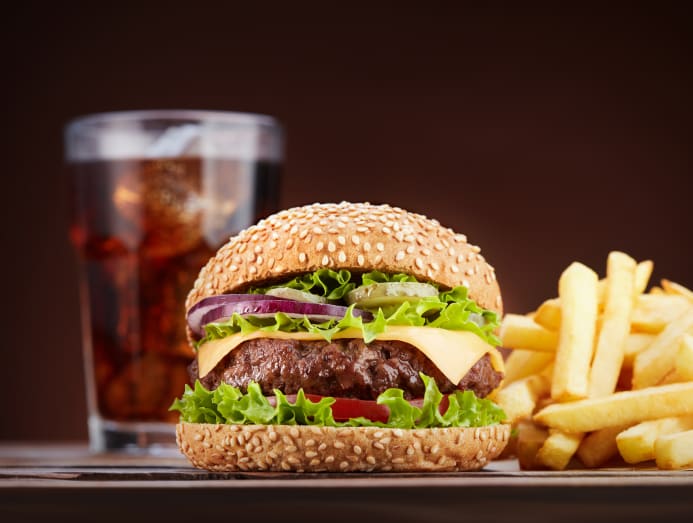
This doesn't hateful you need to totally avert Big Macs, Cokes and French chips, but information technology does mean you should not regularly indulge in such fare if you want to stay healthy.
Dr Robert H Eckel, a former president of the American Heart Association, and an endocrinologist and lipid specialist at the University of Colorado Denver, told me he "occasionally" indulges in foods outside a wholesome dietary pattern. The operative discussion here, though, is "occasionally."
Dr Neil J Stone, a preventive cardiologist at the Feinberg School of Medicine at Northwestern University, who praised the thoughtfulness and expertise of the guidelines commission, said in an interview, "At that place's no such thing as one diet that fits all, simply there are principles to form the ground of diets that fit everyone."
He added: "The goal is to brand good nutrition possible for all. The healthier we can keep everybody in this state, the lower our health costs will be."
In the 15 years since the heart clan last issued dietary guidelines to reduce the hazard of cardiovascular disease, almost nada has changed for the improve. The typical American diet has remained highly processed.
Americans consume too much added sugars, artery-clogging fats, refined starches, red meat and salt and don't eat enough nutrient-rich vegetables, fruits, basics, beans and whole grains that tin help prevent heart disease, diabetes and cancer.
But rather than become discouraged, the clan decided to endeavor a unlike approach.
For as well long, nutrition advice has been overly focused on individual nutrients and ingredients, Alice H Lichtenstein, the guidelines' primary writer, told me, and information technology hasn't been focused plenty on overall dietary patterns that can all-time fit people's lives and budgets.
HOW THE GUIDELINES WORK
Then instead of a laundry list of "1000 shalt not eats," Dr Lichtenstein said, the association'southward commission on diet and cardiovascular affliction chose to promote heart-healthy dietary patterns that could suit a wide range of tastes and eating habits.
In fugitive "no noes" and dietary revolutions, the new guidelines tin can foster gradual evolutionary changes meant to final a lifetime.
The committee recognised that for people to adopt and stick to a wholesome dietary pattern, it should conform personal likes and dislikes, ethnic and cultural practices and life circumstances, and it should consider whether most meals are consumed at home or on the get.
For example, rather than urging people to skip pasta because it's a refined saccharide, a more effective message might be to tell people to eat it the traditional Italian way, as a pocket-sized first-course portion.
Or, if pasta is your main course, choose a product made from an unrefined saccharide similar whole wheat, brown rice or lentils.
"Nosotros're talking almost lifelong changes that incorporate personal preferences, culinary traditions and what'due south available where people store and consume," said Dr. Lichtenstein, a professor of nutrition science and policy at the Friedman School at Tufts University.
"The advice is show-based and applies to everything people eat regardless of where the food is procured, prepared and consumed."
The guidelines' kickoff principle is to suit one's "free energy intake and expenditure" to "achieve and maintain a healthy body weight," a recommendation that may be easier to follow with the adjacent two principles: Eat enough of fruits and vegetables, and choose foods made mostly with whole grains rather than refined grains.
A HEALTHY Nutrition FOR YOU AND THE PLANET
If cost or availability is an result, equally is the case in many of the country's food deserts where fresh produce is scarce, Dr Lichtenstein suggested keeping bags of frozen fruits and vegetables on paw to reduce waste, add convenience and salvage money.
Some wholesome poly peptide choices that the committee recommended included fish and seafood (although not breaded and fried), legumes and basics, and low-fat or fat-free dairy products.
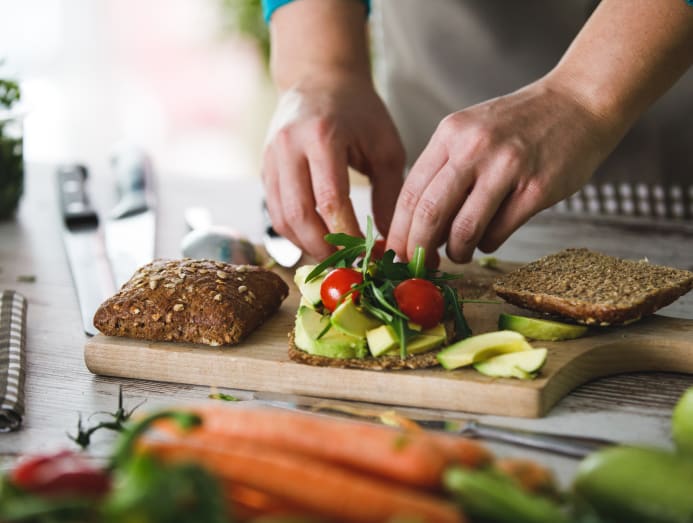
If meat is desired, cull lean cuts and refrain from candy meats similar sausages, hot dogs and cafeteria meats that are loftier in salt and saturated fat.
The committee's advice on poly peptide foods, published during the climate talks in Glasgow, was well-timed. Choosing plant-based proteins over beast sources of protein non only has health value for consumers just can help to foster a healthier planet.
Experts have long known that animal products like beef, lamb, pork and veal have a disproportionately negative impact on the environs. Raising animals requires more water and land and generates more greenhouse gases than growing protein-rich plants does.
"This is a win-win for individuals and our environment," Dr Lichtenstein said.
However, she cautioned, if a institute-based diet is overloaded with refined carbohydrates and sugars, it will enhance the risk of Type two diabetes and center disease.
And she discouraged relying on popular plant-based meat alternatives that are ultra-processed and ofttimes high in sodium, unhealthy fats and calories, and that "may not be ecologically sound to produce."
To protect both the environment and homo wellness, the committee advised shifting ane's diet away from tropical oils – coconut, palm and palm kernel – every bit well as animal fats (butter and lard) and partially hydrogenated fats (read the diet label).
Instead, use liquid found oils like corn, soybean, safflower, sunflower, canola, nut and olive. They have been shown to lower the risk of cardiovascular disease by about 30 percent, an effect comparable to taking a statin drug.
As for beverages, the committee endorsed the electric current national dietary guideline to avert drinks with added sugars (including honey and concentrated fruit juice). If you don't currently potable booze, the committee brash confronting starting; for those who do drink, limit consumption to one to ii drinks a solar day.
PREVENTION IS Fundamental
All told, the dietary patterns that the commission outlined can arrive across reducing the gamble of cardiovascular diseases like eye attacks and strokes.
They can as well protect against Blazon ii diabetes and a decline of kidney function, and perhaps even aid foster ameliorate cerebral abilities and a slower rate of age-related cognitive turn down.
The earlier in life a wholesome dietary design begins, the better, Dr Lichtenstein said. "It should starting time preconception, not after someone has a heart assault, and reinforced through nutrition educational activity in schoolhouse, from Kindergarten through twelfth Grade."
And during annual checkups, Dr Eckel said, primary care doctors should devote three to five minutes of the visit to a lifestyle interview, asking patients how many servings of fruits, vegetables and whole grains they eat and whether they read nutrition labels.
By Jane Due east. Brody © The New York Times
This article originally appeared in The New York Times.
Source: https://cnalifestyle.channelnewsasia.com/wellness/healthy-food-nutrition-guidelines-best-tips-290171
0 Response to "There's a better way to healthy eating without completely removing 'bad foods' from your diet"
Post a Comment